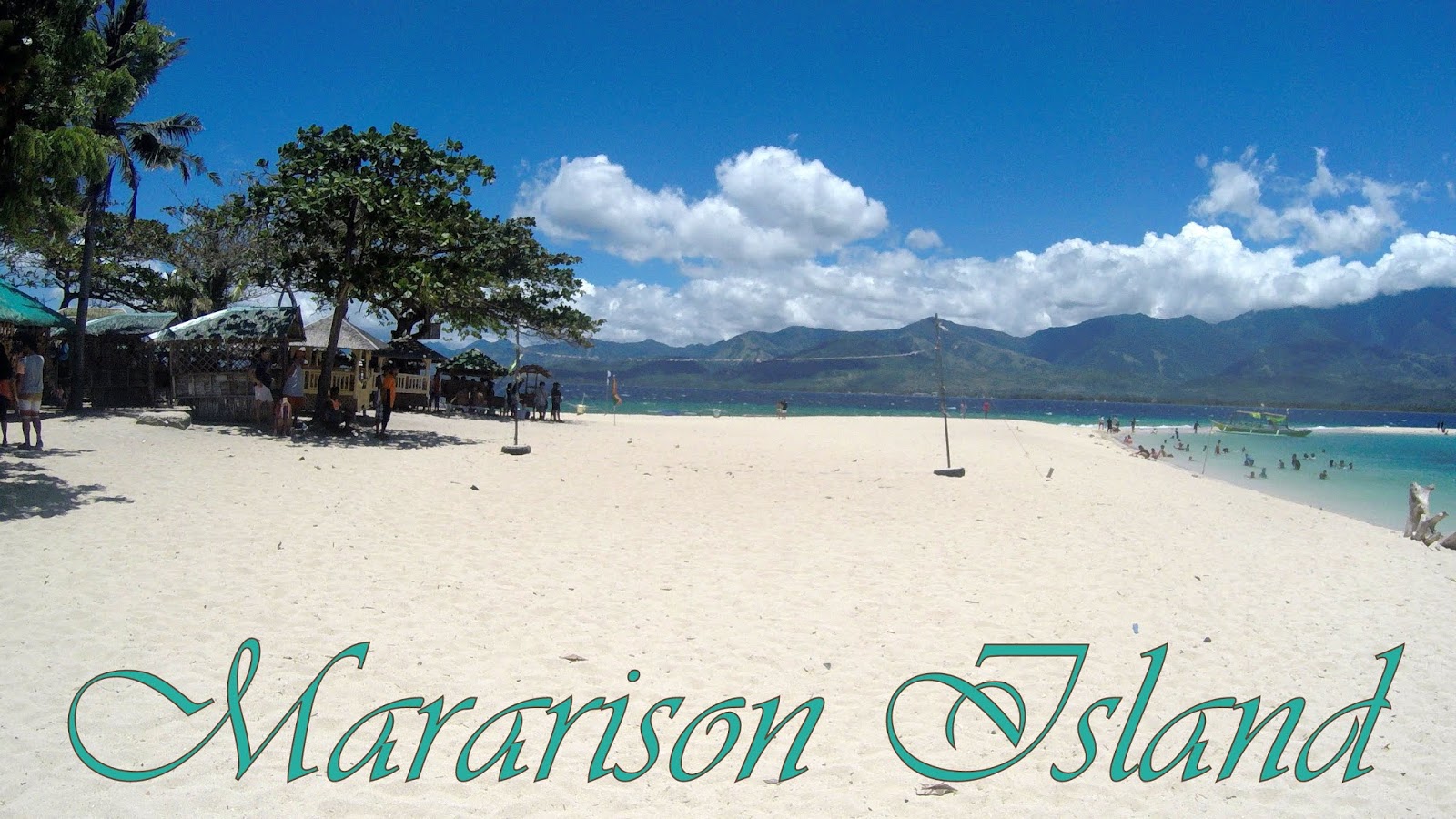
Nogas Island is a 24-hectare uninhabited island and government naval reservation located about a twenty-minute boat ride from the mainland of Anini-y, the southernmost town of Antique before entering the province of Iloilo.
Although its beach is white, the shoreline is composed mostly of crushed corals, shells, and pebbles rather than fine sand. Beneath its surrounding waters, however, are beautiful coral formations, which I found even more impressive than those of Mararison Island. In fact, several dive sites can be found around the island.
Perhaps the most photographed feature of Nogas Island is the picturesque pathway leading to its lighthouse. Lined on both sides with calachuchi trees, their gnarled branches stretch across the path and form an almost natural canopy overhead. Another interesting sight near the lighthouse is the colony of giant bats hanging from the branches of some of the trees, adding yet another fascinating feature to this small and otherwise uninhabited island.


I learned that the Rafflesia could be found in two mountain barangays, Tubudan and Aningalan. Tubudan was the more accessible of the two since it was located along the highway, so we decided to go there.
About thirty minutes after passing through the town proper of San Remigio and while we were making our way up the mountain, our car suddenly came to a halt. We later learned that the carburetor needed cleaning, which explained the several stops we had experienced along the way. Fortunately, where we stopped, we noticed a roadside sign that read, “Welcome to Viewing Deck, Brgy. La-Union, San Remigio, Antique.” Since we had some time to spare while waiting for the car, we decided to explore the place.
A viewing deck had recently been constructed on top of a limestone cliff, with a steel bridge connecting it to another rocky outcrop. From there, we were rewarded with a commanding view of the vast plains below and the surrounding countryside.
When we returned to the car, it started again, and about twenty minutes later, we arrived in Tubudan, where the Rafflesia could be found. At first, we saw plenty of Rafflesia flowers displayed around the area—only to discover that they were artificial! We therefore went with a guide and climbed the side of the mountain in search of the real thing.
Eventually, on the forest floor, nestled among the large roots of a tree, we found one. It was about the size of a mature coconut and already brownish in color, but unfortunately, it had not yet bloomed. Still, I was glad that we had at least seen a real Rafflesia in its natural habitat.
Afterwards, we climbed to another viewing deck, still unfinished at the time, built atop a limestone formation. From there, we enjoyed yet another impressive view of the surrounding plains and mountains—a fitting conclusion to our unexpected adventure in search of the Rafflesia of San Remigio.

 I thought at first they were the real ones. Artificial Rafflesia flowers were placed around the area.