Showing posts with label PAMPANGA. Show all posts

Sunday, August 23, 2026

Three Centuries of Faith: Santa Rita de Cascia Parish, Pampanga

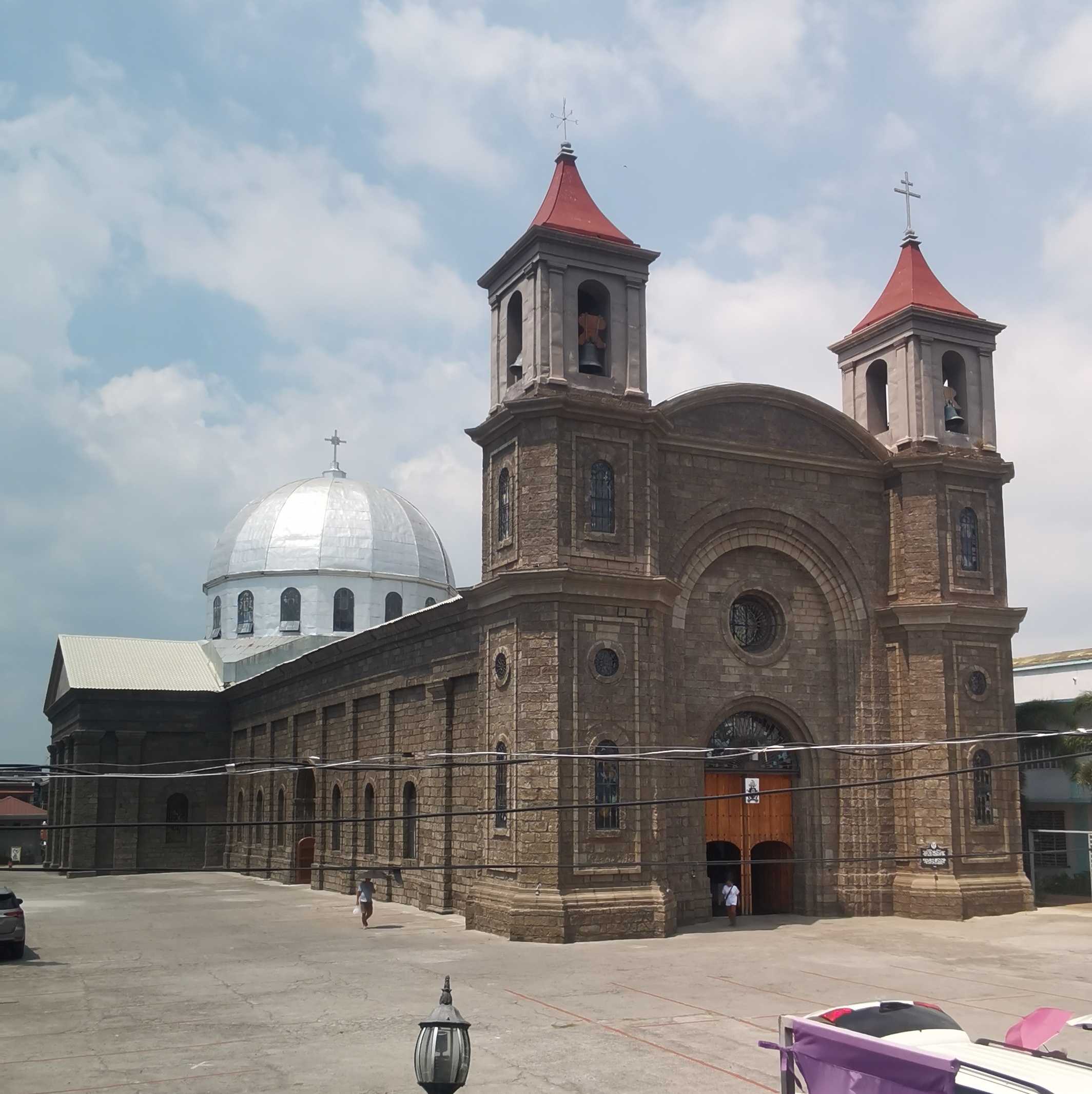
           Last August 17, my classmate, Fr. Bogs Moraleja, invited me to join the celebration of the tricentennial of the Parish of Santa Rita de Cascia in Santa Rita, Pampanga, where he is presently the parish priest.

The Mass was scheduled at eight in the morning, so we left Intramuros early and braved the rainy weather to make it to Santa Rita on time.

What immediately caught my attention when I arrived at the parish church were the sandbags placed in front of the church doors. I was told that during the previous week, the church was flooded.  Fortunately, by the time we arrived, the water had already subsided, although the church floor was still wet.

Passing through the old wooden convent, we encountered more water. Sandbags had been laid down as makeshift stepping stones so that we could cross the flooded portion and reach the present convent.

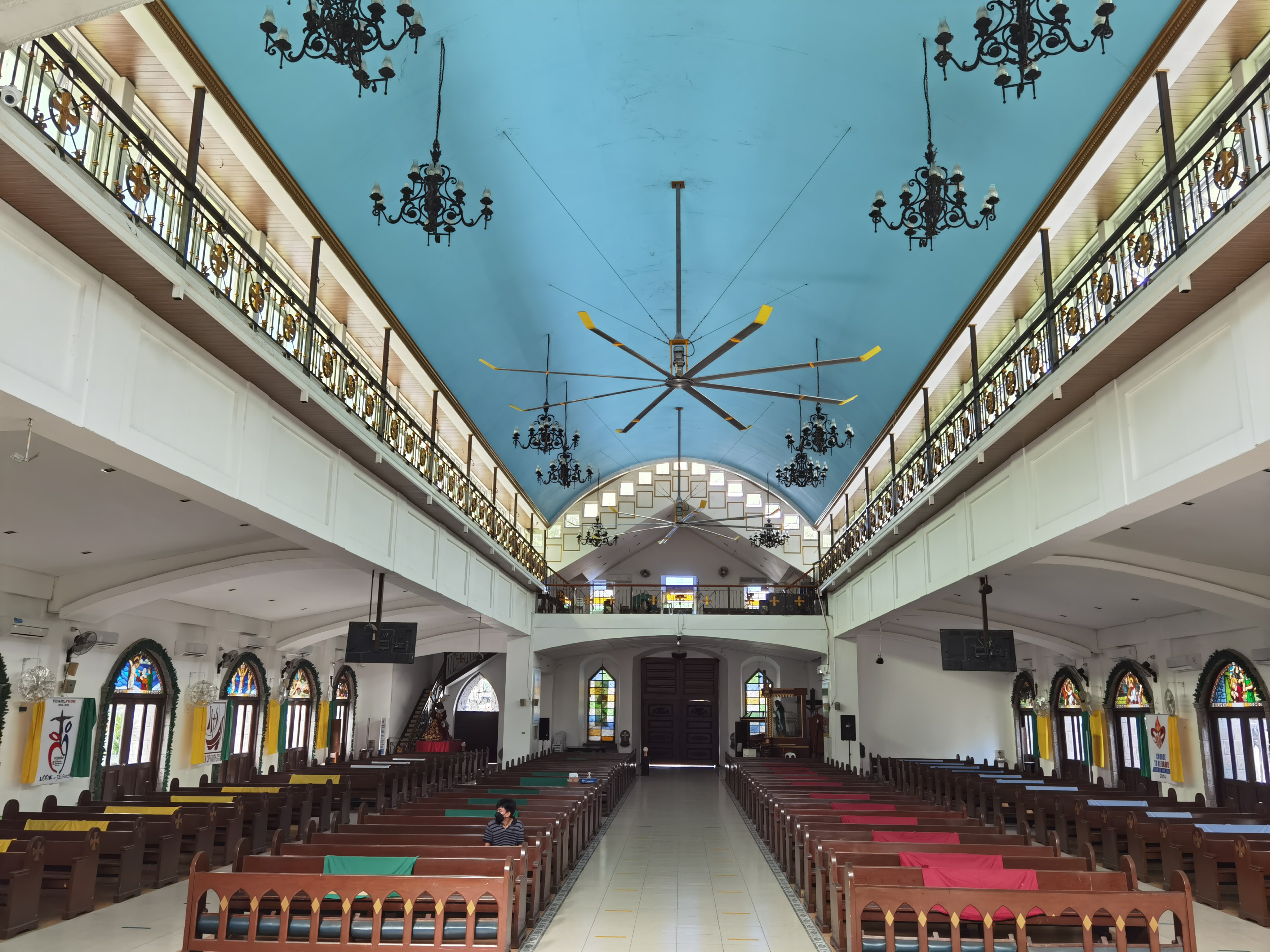
Santa Rita was among the Pampanga towns affected by the lahar following the eruption of Mt. Pinatubo in 1991. Although the lahar did not enter the church itself, it raised the level of the surrounding ground by about two to three feet. As a result, one now has to go down into the church from the surrounding area. When it rains continuously for several days, as it had during the two weeks before our visit, water seeps through the flooring and floods the interior. The parish has installed water pumps, but during prolonged and heavy rains, even these are sometimes not enough to keep the church dry.

The tricentennial celebration was also an occasion to remember the long history of the parish. Aside from priests of the Archdiocese of San Fernando, my classmate invited Augustinian priests from Manila, in recognition of the important role of the Augustinians in the evangelization of the area. They administered the parish for much of the Spanish period until its administration passed to the Filipino diocesan clergy around the time of the Philippine Revolution in 1898. Archbishop Florentino Lavarias of San Fernando was the main celebrant of the anniversary Mass.

I did not notice any significant changes in the church since my first visit about ten years ago. This time, however, I made it a point to photograph all fourteen Stations of the Cross. They are particularly interesting because they appear to be old wooden bas-relief carvings, with the titles of each station still written in Spanish. They are among the details of the church that speak quietly of its long history.

A first-class relic of Santa Rita de Cascia was also displayed near the altar for the occasion.

At the end of the Mass, Santa Rita Mayor Reynan S. Calo led the unveiling of the historical marker prepared by the municipal government in commemoration of the parish’s tricentennial.

It was fitting that the celebration looked back on three centuries of the parish's history while the old church itself continued to bear the marks of that history—from its Spanish-era religious art to the physical changes brought about by the eruption of Mt. Pinatubo. Despite floods, lahar, changing times, and generations of parishioners and priests, the church of Santa Rita continues to stand at the heart of the community it has served for three hundred years.


Sandbags in front of the church. 

The present floor of the church is about two to three feet lower than the grounds outside the church. 


The first class relic of Santa Rita was on display beside the altar. 

An image of Sta. Rita by the baptismal chapel at the left side upon entering the church. 

The stations of the cross in bas relief. 

The side altar at the left wing fronting the altar. 

The opposite retablo at the right wing. 

One of the side altar

Another side altar


The dome of the church

Two wall paintings of the archangels Sts. Gabriel and Michael found at the baptismal chapel. 


The commemorative marker. 

The old convento beside the church

The ground floor of the old convento

A room in the old convento was still flooded. 

Near the sacristy. 

Some UST Alumni coming from the parish headed by Mildred Mariano (3rd from left) who heads the UST Kampangan chapter. Fr. Bogs Moraleja at the middle in blue clerical shirt is the parish priest. 


With the Dominican Sisters who are administering the parochial school.


Friday, June 12, 2026

The Declaration of the Holy Rosary Parish in Angeles City as a Minor Basilica

One of the highlights of my travels this year was my visit to Angeles City on June 10, 2026, to witness the solemn declaration of the Holy Rosary Parish Church as a Minor Basilica. Since applications for churches seeking this distinction pass through the CBCP Secretariat, I had the privilege of following the process from the very beginning and, finally, being present for this historic celebration.

Many people are unaware of the lengthy process involved before a church is granted the title of Minor Basilica. The parish first submits an extensive application containing the church's history, liturgical life, pastoral activities, architectural significance, and many other supporting documents. An ocular inspection is then conducted by the Executive Secretary of the Episcopal Commission on Liturgy. Once the Commission issues a nihil obstat, the application is presented to the CBCP Permanent Council. If approved, the CBCP President endorses the petition, and the entire documentation is sent to the Dicastery for Divine Worship and the Discipline of the Sacraments in Rome for its final decision. Only after receiving the approval from the Holy See is a date fixed for the official declaration.

This particular celebration was made even more meaningful because the first Rector of the Basilica, Fr. Manuel Sta. Maria, is a contemporary of mine from our seminary days at the University of Santo Tomas. It was heartwarming to see him receive yet another honor during the same celebration. Along with the declaration of the church as a Minor Basilica, he was installed as a Papal Chaplain and bestowed the honorary title of Monsignor.

The celebration drew a large gathering of bishops from different parts of the country. Among those present were Cardinal Pablo Virgilio David, who had once served as parish priest of the parish, Cardinal Jose F. Advincula, and the Apostolic Nuncio to the Philippines. The church was overflowing with the faithful, with many more participating from outside, a fitting testament to the deep devotion of the people of Angeles.

Since it had been several years since my last visit, I took the opportunity to admire the church once again. I immediately noticed the improvements that had been made. The retablo behind the main altar had been beautifully enhanced, making the sanctuary even more striking. What especially caught my attention, however, were the Stations of the Cross. Unlike the usual sculpted stations found in many churches, these were exquisite oil paintings that added a unique artistic and devotional character to the basilica.

As I left the church that afternoon, I reflected on how fitting it was that this historic parish had received the title of Minor Basilica. Beyond its beautiful architecture and rich history, it continues to be a vibrant center of faith for generations of Catholics. I felt blessed to have witnessed this important milestone—not only as Secretary General of the CBCP who had seen the petition through its various stages, but also as a pilgrim grateful to be part of another memorable chapter in the life of the Church in the Philippines.


Minor Basilica and Parish of  Our Lady of the Most Holy Rosary (Pisamban Maragul), Angeles City.


The Rector and Parish priest, Msgr. Manuel Sta. Maria was also invested as a Papal Chaplain during the celebration


Cardinal Ambo David was the homilist


A group picture of the bishops who attended the official declaration of the Holy Rosary Minor Basilica and Parish, Angeles City.


The Stations of the Cross in oil painting. 

For old pictures of the Most Holy Rosary Parish click here.


Saturday, March 25, 2023

CHURCHES OF PAMPANGA: Part Two


ARCHDIOCESAN SHRINE OF APUNG MAMACALULU 
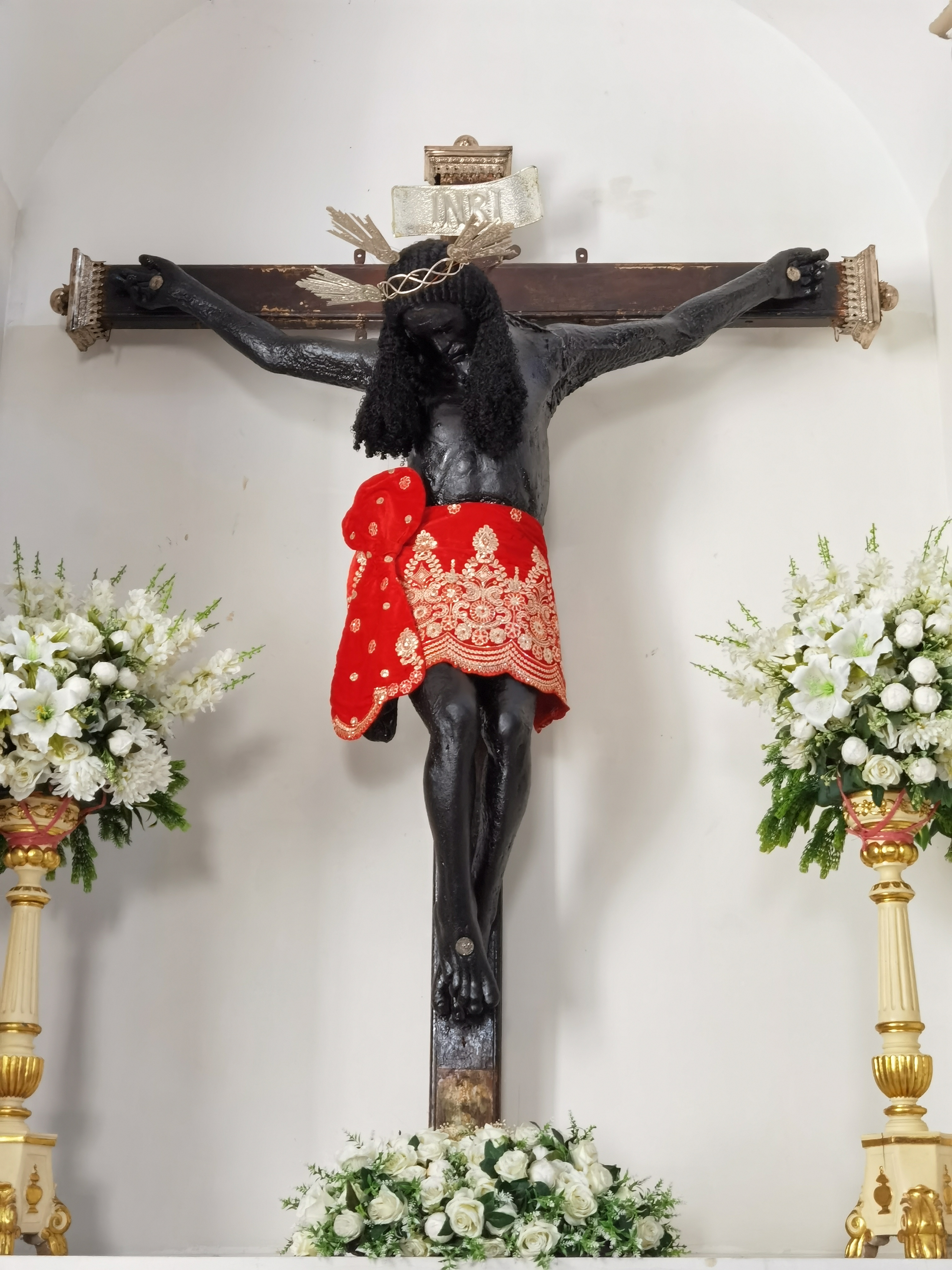
Shrine of Christ, Our Lord of the Holy Sepulcher or 
Santo Entierro (F-2012)


HOLY ROSARY PARISH (F-1829)
Sto. Rosario (Poblacion), 2009 Angeles City, Pampanga


CHRIST THE KING PARISH (F-1994)
Pulung Cacutud, 2009 Angeles City, Pampanga


OUR LADY OF GRACE PARISH (F-1880)
Poblacion, 2010 Mabalacat City, Pampanga


SAN BARTOLOME PARISH (F-1605)
San Nicolas1 (Poblacion), 2011 Magalang, Pampanga


SANTA CATALINA DE ALEXANDRIA PARISH (F-1590)
Poblacion, 2012 Arayat, Pampanga


SANTA ANA PARISH (F-1756)
San Joaquin, 2022 Sta. Ana, Pampanga


SANTA MONICA PARISH (F-1581)
Parian (Poblacion), 2021 Mexico, Pampanga


SAN JOSE PARISH (F-1940)
San Jose, Malino, 2021 Mexico, Pampanga


SAN ANDRES APOSTOL PARISH (F-1575)
Pescadores (Poblacion), 2013 Candaba, Pampanga


SAINT JOSEPH THE WORKER PARISH (F-1867)
Poblacion, 2006 Floridablanca, Pampanga


IMMACULATE CONCEPTION PARISH (F-1590)
Plaza Burgos (Poblacion), 2003 Guagua, Pampanga


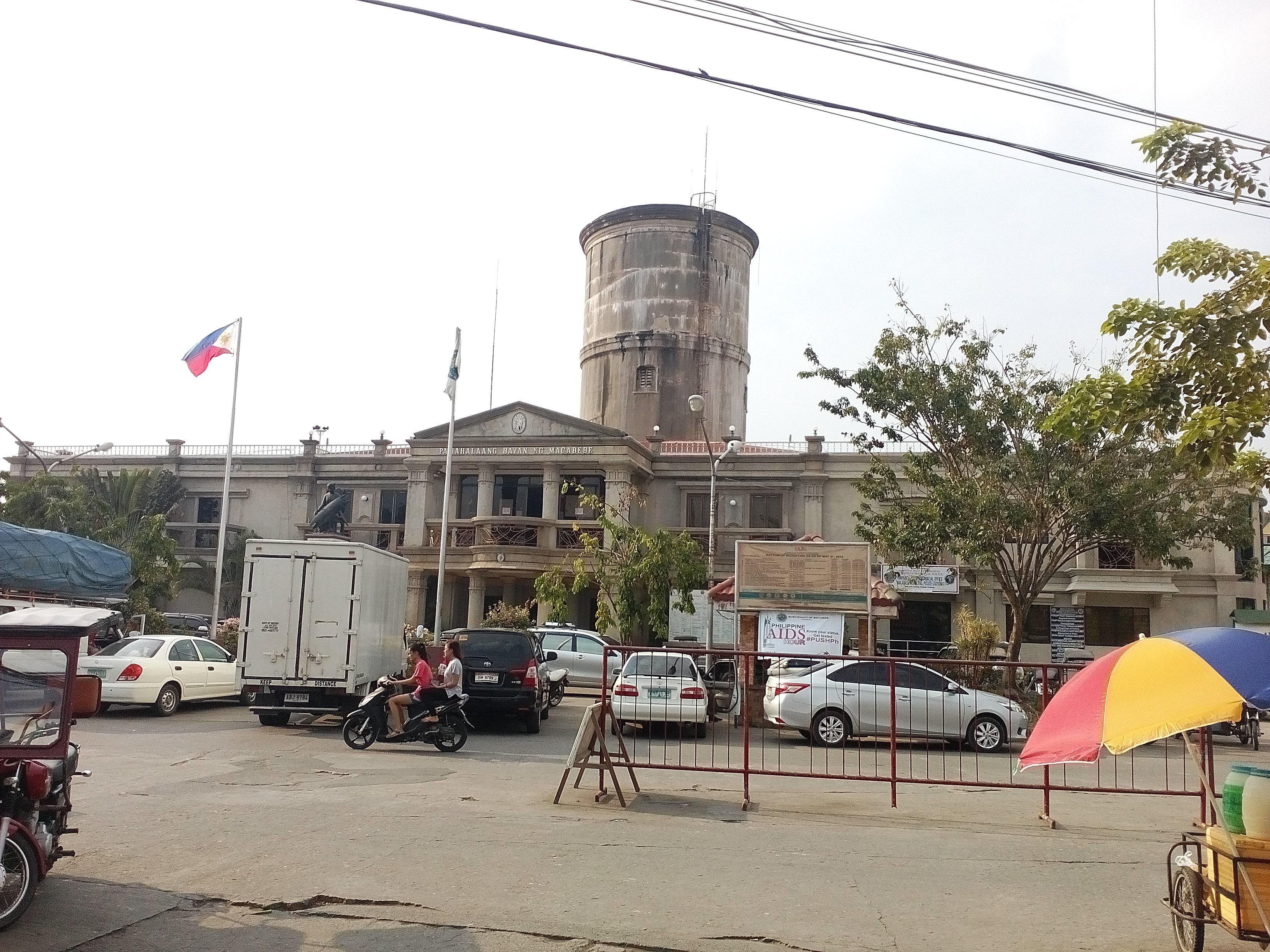
SAN NICOLAS DE TOLENTINO PARISH (F-1575)
Santa Cruz (Poblacion) 2018 Macabebe, Pampanga


THE LORD’S PRESENTATION PARISH (F-1996)
Batasan, 2018 Macabebe, Pampanga


SAINT MICHAEL THE ARCHANGEL PARISH (F-1893)
San Nicolas (Poblacion) 2017 Masantol, Pampanga


SANTA MONICA PARISH (F-1614)
San Nicolas (Poblacion), 2019 Minalin, Pampanga


SAN LUIS GONZAGA PARISH (F-1740)
Santa Cruz (Poblacion), 2014 San Luis, Pampanga


NUESTRA SEÑORA DEL PILAR PARISH (F-1771)
San Juan (Poblacion) 2015 San Simon, Pampanga


SANTA LUCIA PARISH (F-1590)
Sta. Lucia (Poblacion), 2004 Sasmuan, Pampanga


SANTA RITA DE CASCIA PARISH (F-1726)
San Jose (Poblacion), 2002 Santa Rita, Pampanga


SAINT THOMAS THE APOSTLE PARISH (F-1929)
Poblacion, 2020 Sto. Tomas, Pampanga


St. Peter the Apostle Parish (F-1590)

Apalit, Pampanga


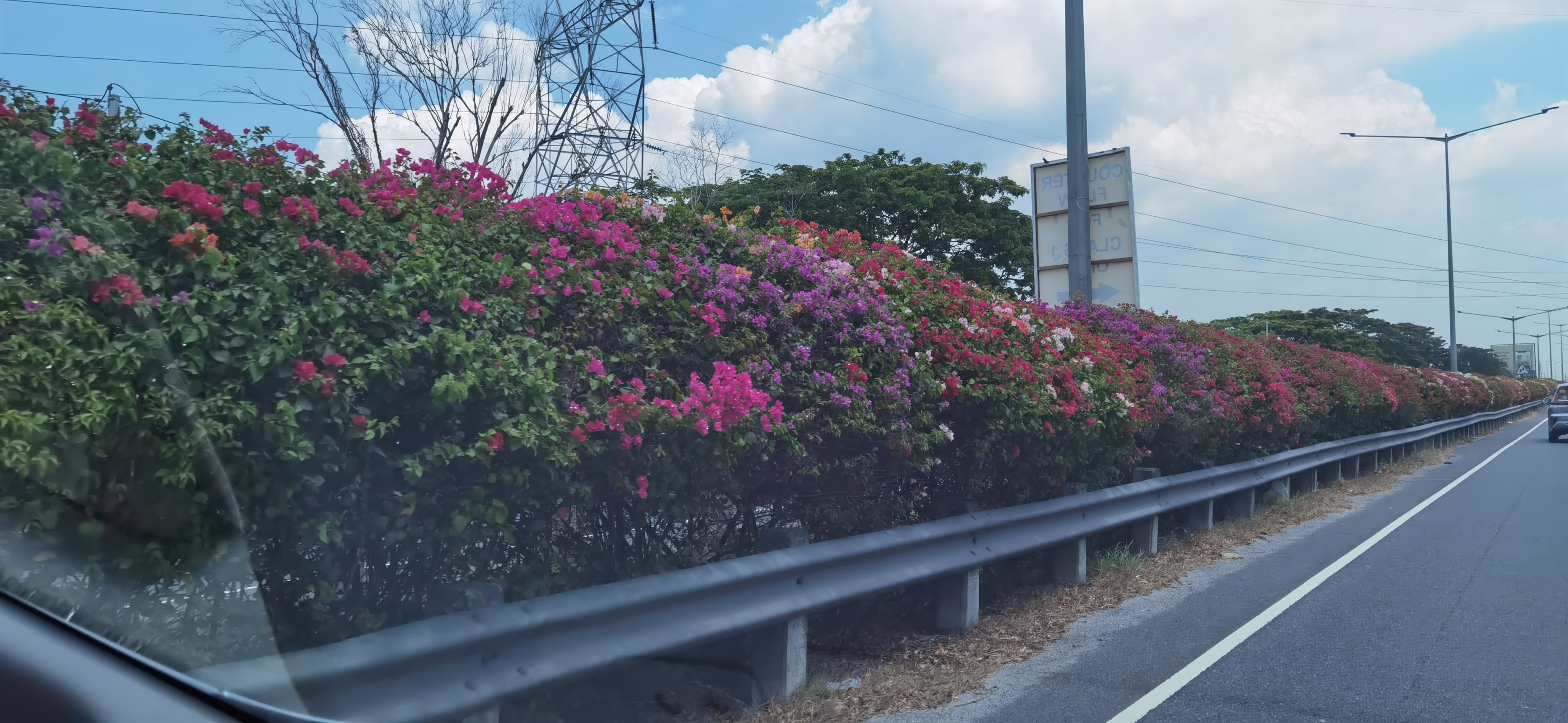
Bougainevillas were in full bloom along the NLEX. 


Earlier post on Pampanga: Churches of Pampanga: Part One